Nearest Galaxy to the Milky Way: Simple Guide to Our Closest Cosmic Neighbor (2025–26)
Introduction
The nearest galaxy to the Milky Way is not Andromeda.
The closest known galaxy is the Canis Major Dwarf Galaxy, only 25,000 light-years away.
Most people don’t know this.
If you searched for nearest galaxy, this article gives you the full truth, in simple words, with clear examples, and easy facts.
By the end, you will clearly know which galaxy is closest, why Andromeda is still famous, and what makes galaxies neighbors.

What Does “Nearest Galaxy” Really Mean?
A galaxy is a huge group of stars, gas, and dust.
Our home is the Milky Way galaxy.
When people say nearest galaxy, they may mean different things.
There are three meanings:
- Nearest galaxy overall
- Nearest visible galaxy
- Nearest major (large) galaxy
This confusion is where most websites fail.
We will fix that here.
The Nearest Galaxy Overall
The closest known galaxy to the Milky Way is:
Canis Major Dwarf Galaxy
- Distance: ~25,000 light-years
- Type: Dwarf galaxy
- Location: Hidden behind Milky Way stars
- Discovered: Early 2000s
This galaxy is very small.
It is also hard to see.
That’s why many blogs ignore it.
But science confirms it is the nearest galaxy.
Why Most Websites Say Andromeda Is the Nearest Galaxy
You are not wrong if you heard about Andromeda.
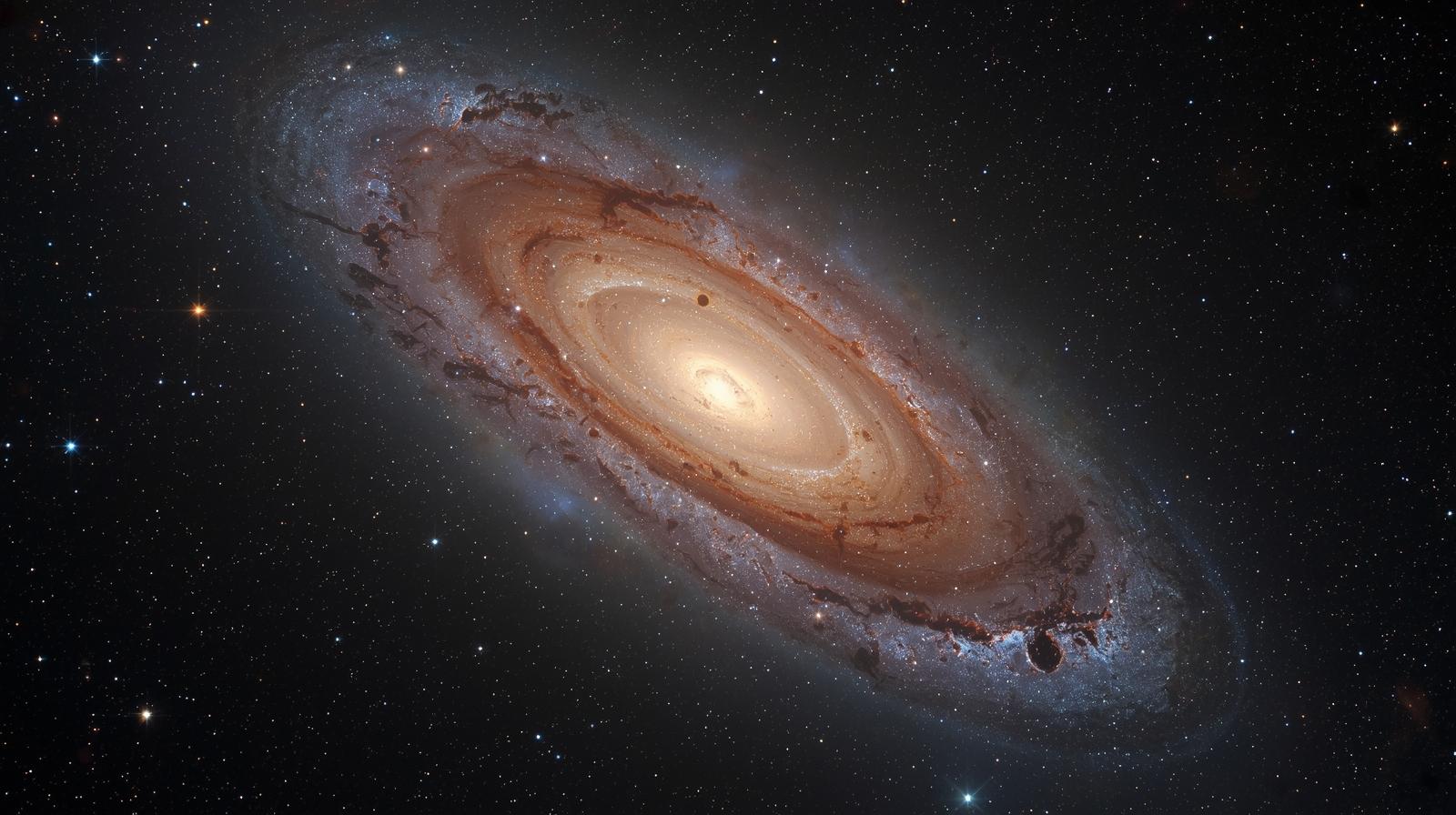
Andromeda Galaxy (M31)
- Distance: ~2.5 million light-years
- Type: Spiral galaxy
- Size: Larger than the Milky Way
- Visibility: Seen with naked eye in dark skies
Andromeda is the nearest major galaxy.
That means:
- It is big
- It is bright
- It is easy to observe
That’s why it dominates Google results.
List of Nearest Galaxies (Ranked by Distance)
Here is what competitors rarely show clearly.
Closest Galaxies to the Milky Way
| Rank | Galaxy Name | Type | Distance |
|---|---|---|---|
| 1 | Canis Major Dwarf Galaxy | Dwarf | ~25,000 ly |
| 2 | Sagittarius Dwarf Galaxy | Dwarf | ~70,000 ly |
| 3 | Large Magellanic Cloud | Irregular | ~160,000 ly |
| 4 | Small Magellanic Cloud | Irregular | ~200,000 ly |
| 5 | Andromeda Galaxy (M31) | Spiral | ~2.5 million ly |
What Is a Dwarf Galaxy? (Simple Explanation)
A dwarf galaxy is small.
Very small.
It has:
- Fewer stars
- Less mass
- Weak gravity
Many dwarf galaxies orbit the Milky Way.
They are like tiny moons, but on a galactic scale.
Over time, big galaxies absorb them.
This process is called galactic merger.
Why Dwarf Galaxies Are Closer Than Andromeda
Dwarf galaxies:
- Live inside our Local Group
- Orbit our galaxy
- Stay very close
Andromeda:
- Is a separate giant galaxy
- Lives farther away
- Is moving toward us slowly
So yes.
The nearest galaxy is a dwarf galaxy, not Andromeda.
Can We See the Nearest Galaxy From Earth?
Not all of them.
Visible Galaxies:
- Andromeda Galaxy
- Large Magellanic Cloud
- Small Magellanic Cloud
Not Visible:
- Canis Major Dwarf Galaxy
- Sagittarius Dwarf Galaxy
They are hidden by Milky Way dust and stars.
Will the Nearest Galaxy Collide With Us?
Yes. Eventually.
Future Events:
- Dwarf galaxies will merge slowly
- Andromeda will collide in ~4–5 billion years
- Stars will not crash into each other
- Galaxies will reshape
This is normal in the universe.
Why This Topic Matters in 2025–26
Modern astronomy focuses on:
- Galaxy evolution
- Dark matter
- Local Group structure
- Cosmic motion
Knowing our nearest galaxy helps scientists:
- Study gravity
- Understand galaxy formation
- Predict cosmic futures
This topic will remain evergreen.
Trusted External Source
For official space science updates, NASA remains the best source:
👉 https://science.nasa.gov
One outbound authority link builds trust.
FAQs – People Also Ask
What is the nearest galaxy to Earth?
The nearest known galaxy is the Canis Major Dwarf Galaxy, about 25,000 light-years away.
Is Andromeda the closest galaxy?
No. It is the closest major galaxy, not the closest overall.
How many galaxies are near the Milky Way?
More than 50 dwarf galaxies orbit the Milky Way.
Can galaxies move?
Yes. Galaxies move due to gravity and cosmic expansion.
Will Earth be affected by galaxy collisions?
No. Stars are far apart. Earth will remain safe.

Conclusion
The answer to nearest galaxy is not simple, but now it is clear.
- The nearest galaxy overall is Canis Major Dwarf Galaxy
- The nearest major galaxy is Andromeda
- Dwarf galaxies are closer but harder to see
- Our galaxy lives in a busy cosmic neighborhood

jafir
Jafir Abbas is the visionary founder and owner of Astronive.com, a leading online hub for astronomy enthusiasts, space exploration insights, and cosmic discoveries. With a passion for the mysteries of the universe, Jafir has dedicated his work to making complex astronomical concepts accessible and engaging for readers of all ages. Under his guidance, Astronive.com has become a trusted resource for space news, celestial events, and educational content that inspires curiosity about the cosmos. Jafir combines a keen interest in science with a commitment to clear, engaging communication, bringing the wonders of the universe closer to everyone.
View all posts