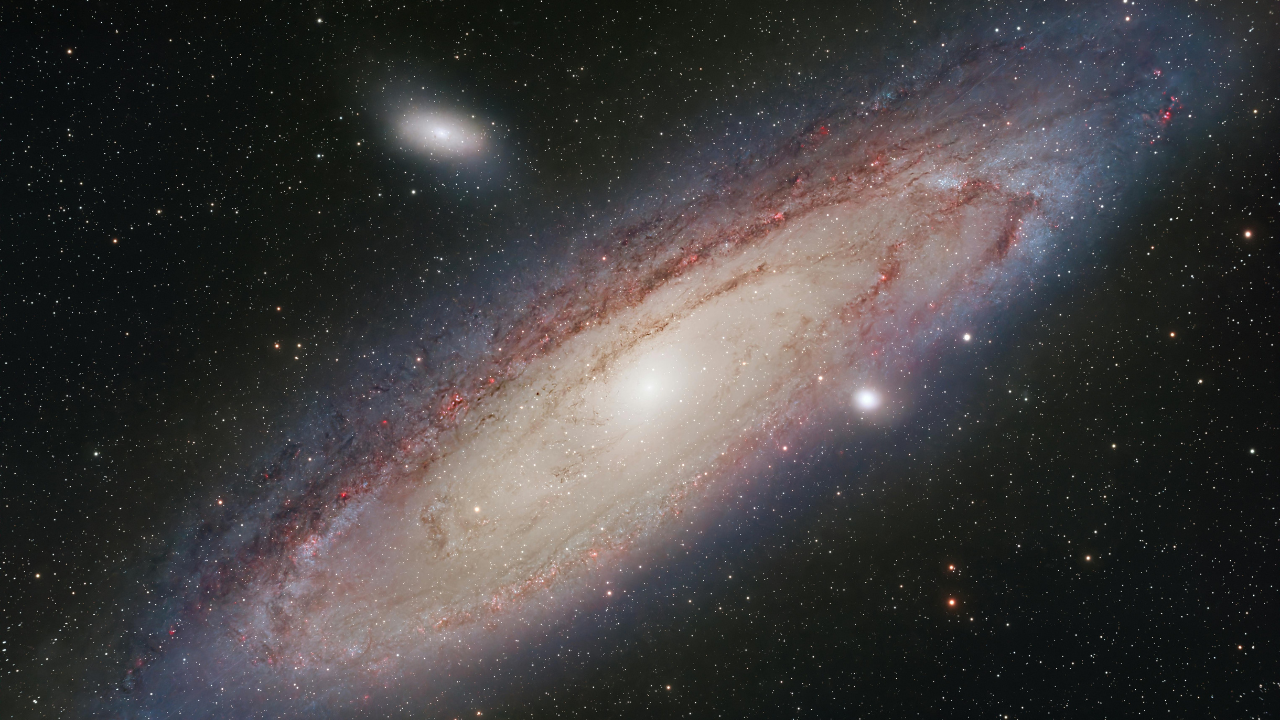
The Galaxy Snake: A Cosmic Wonder That Will Blow Your Mind
What is the Galaxy Snake and Why Should You Care?
Have you ever looked up at the night sky and wondered what amazing things are hiding out there? Well, get ready to be amazed! The galaxy snake is one of the coolest discoveries in space that scientists have found. It’s not actually a snake, but it looks like one slithering through space!
Imagine a giant galaxy that’s twisted and curved like a snake. That’s exactly what astronomers discovered when they pointed their powerful telescopes toward the cosmos. This amazing space object sits billions of light-years away from Earth, and it’s teaching us incredible things about how stars are born.
In this article, you’ll discover everything about the galaxy snake. You’ll learn what it looks like, why scientists are so excited about it, and how this discovery helps us understand our universe better. Plus, we’ll share real stories and facts that make space science fun and easy to understand.

The Story Behind the Cosmic Snake Discovery
So, how did scientists find this amazing galaxy snake? The story is actually pretty cool. Astronomers were using some of the world’s most powerful telescopes when they spotted something unusual. They noticed a distant galaxy that didn’t look normal. Instead, it appeared stretched and curved, just like a snake moving through space.
The main galaxy snake is called the “Cosmic Snake,” and it sits about 8 billion light-years away from us. That means the light we see from it today started traveling before Earth even had dinosaurs! The galaxy appears curved because of something called gravitational lensing. Think of it like looking through a curved glass that bends and stretches what you see.
Scientists use special telescopes like the Hubble Space Telescope and ALMA (a group of 66 radio telescopes working together in Chile) to study these cosmic snakes. These tools help them see details that would be impossible to spot otherwise.
What makes this discovery extra special is that the galaxy snake shows us regions where stars are being born right now. These areas glow with bright colors in telescope images, showing where massive clouds of gas and dust are creating new stars.
How Does a Galaxy Snake Form?
Now, you might be wondering: how does a galaxy get twisted into a snake shape? The answer is actually fascinating.
First, there’s a massive galaxy cluster sitting between us and the distant galaxy. This cluster is so heavy that it bends space itself. When light from the background galaxy travels through this bent space, it gets stretched and warped. This creates the snake-like appearance we see.
Scientists call this “gravitational lensing,” and it’s like nature’s magnifying glass. The effect makes the distant galaxy appear bigger and brighter than it normally would. This is amazing for astronomers because it lets them study galaxies that would otherwise be too far away to see clearly.
Inside the galaxy snake, huge molecular clouds are forming stars at an incredible rate. These clouds are 10 to 100 times denser than the clouds we see in our own Milky Way galaxy. That’s why the galaxy snake creates stars so efficiently.
Moreover, the galaxy snake isn’t just one image. Because of gravitational lensing, astronomers can see multiple copies of the same galaxy at once! These copies appear as curved arcs around the massive cluster that’s bending the light.
The Cosmic Snake: A Real Case Study
Let me share with you an incredible real-life case study about the Cosmic Snake. In 2019, an international team of astronomers made a groundbreaking discovery about this galaxy snake.
Scientists used the ALMA telescope in Chile to study the Cosmic Snake in detail. What they found was mind-blowing. They discovered that the molecular clouds inside this galaxy are completely different from clouds in nearby galaxies.
The clouds in the Cosmic Snake have:
- 10 to 100 times more mass than normal galaxy clouds
- Much higher density packed into smaller spaces
- Way more turbulence and energy
- About 30% star formation efficiency (compared to just 5% in nearby galaxies)
This case study proved that galaxies from 8 billion years ago formed stars much faster than galaxies today. The research appeared in the journal Nature Astronomy in September 2019, and it changed how scientists think about galaxy evolution.
The team used gravitational lensing to zoom in on individual molecular clouds within the galaxy. This was like using a cosmic microscope to see things that should be impossible to observe. They could measure the exact size, mass, and speed of clouds located billions of light-years away.
Additionally, they discovered something surprising. Even though the Cosmic Snake forms stars very quickly, it’s not what scientists call a “starburst galaxy.” Instead, it’s a normal galaxy for its time period. This means that what we consider extreme star formation today was actually typical billions of years ago!
Other Snake-Like Galaxies in Space
The Cosmic Snake isn’t the only serpent in space! Scientists have found other galaxies that look similar.
Another famous snake-like galaxy is NGC 1087, located about 80 million light-years from Earth in the constellation Cetus. Scientists captured amazing images of this spiral galaxy using the ALMA observatory. The galaxy curls up like a coiled snake sleeping in space.
What makes NGC 1087 special is its lava-like appearance in infrared images. The reddish glow shows cold clouds of gas where new stars are forming. The blue areas show older, mature stars that have been shining for millions of years.
Furthermore, there’s also something called “The Snake” in our own Milky Way galaxy. This is a dark, filamentary cloud that appears in infrared images from the Spitzer Space Telescope. It gets its name because it looks like a black serpent against the green background of the galactic plane.
Scientists study these different snake-like structures to understand how stars form in various environments. Each one teaches us something new about the universe.
Why the Galaxy Snake Matters to Science
You might think, “Okay, cool pictures, but why should I care about galaxy snakes?” Great question! Here’s why these discoveries are super important.
First, galaxy snakes help scientists understand how the universe looked billions of years ago. When we look at distant galaxies, we’re actually looking back in time. The light from the Cosmic Snake took 8 billion years to reach us, so we’re seeing what that galaxy looked like 8 billion years ago!
Second, these discoveries teach us about star formation. Stars are the factories that create all the elements we need for life. Every atom in your body (except hydrogen) was created inside a star. By studying how stars formed in ancient galaxies, we learn about our own cosmic origins.
Third, gravitational lensing from galaxy snakes helps scientists find objects that would be too faint to see otherwise. It’s like getting a free telescope upgrade from nature itself!
Moreover, galaxy snake research helps us understand dark matter. The massive clusters that create gravitational lensing contain huge amounts of dark matter – mysterious stuff that we can’t see directly but that makes up most of the universe’s mass.
Finally, these studies improve our knowledge of galaxy evolution. Why do galaxies change over time? Why did ancient galaxies form stars faster than modern ones? Galaxy snakes provide clues to answer these big questions.
How Scientists Study Galaxy Snakes
Let’s talk about the cool tools and methods scientists use to study galaxy snakes.
The Hubble Space Telescope is one of the most important tools. Hubble captures beautiful images in visible light, showing us the shape and structure of distant galaxies. It can spot the curved arcs created by gravitational lensing.
ALMA (the Atacama Large Millimeter/submillimeter Array) is another crucial telescope. Located high in the Chilean desert, ALMA consists of 66 radio dishes working together. This telescope can detect cold gas and dust in galaxies, showing where stars are forming.
Scientists also use advanced computer programs to “unwarp” the stretched galaxy images. They can reverse the gravitational lensing effect and see what the galaxy would look like without the distortion. This helps them understand the galaxy’s true structure.
Additionally, astronomers measure the light from galaxy snakes at different wavelengths. Each wavelength reveals different information:
- Visible light shows stars
- Infrared shows dust and cool gas
- Radio waves show cold molecular clouds
- X-rays show hot gas and high-energy processes
By combining all this information, scientists build a complete picture of how the galaxy snake works.
Amazing Facts About Galaxy Snakes
Here are some mind-blowing facts that will make you love galaxy snakes even more!
Fact 1: The Cosmic Snake is being observed as it looked 8 billion years ago. That’s more than half the age of the entire universe!
Fact 2: Gravitational lensing can magnify distant galaxies by up to 50 times, making them appear much brighter and bigger than they actually are.
Fact 3: The molecular clouds in the Cosmic Snake are so massive that each one contains material for millions of suns!
Fact 4: Scientists can see multiple images of the same galaxy snake because light takes different paths around the lensing cluster. It’s like seeing the same object from different angles at once.
Fact 5: The snake-like galaxy NGC 1087 spans about 86,800 light-years. That’s almost as big as our entire Milky Way galaxy!
Fact 6: ALMA’s radio dishes work together like one giant telescope that’s several miles across. This gives it incredible resolution and detail.
Fact 7: The study of galaxy snakes has helped scientists discover that ancient galaxies were much more efficient at forming stars than galaxies today.
These facts show us how amazing our universe really is. Every discovery brings new surprises!
What Makes the Galaxy Snake Special?
So, what sets the galaxy snake apart from other cosmic objects? Let me explain what makes it truly unique.
First, its appearance is stunning. The curved, stretched shape created by gravitational lensing makes it one of the most visually striking objects in space. When you see images of the Cosmic Snake, you immediately understand why it got its name.
Second, its location is perfect for scientific study. The galaxy sits at just the right distance where we can see it clearly with our best telescopes. It’s far enough to show us the ancient universe but close enough for detailed observations.
Third, the galaxy snake provides multiple viewing angles. Because gravitational lensing creates several images of the same object, scientists can study it from different perspectives simultaneously. This gives them much more information than studying just one image.
Furthermore, the Cosmic Snake is at a special point in cosmic history. Eight billion years ago, the universe was going through major changes. Galaxies were forming stars at their fastest rates, and studying objects from this era helps us understand this crucial period.
Finally, the galaxy snake demonstrates the power of combining different types of telescopes. By using optical telescopes like Hubble together with radio telescopes like ALMA, scientists get the complete picture of what’s happening in the galaxy.
The Future of Galaxy Snake Research
What’s next for galaxy snake studies? Scientists have exciting plans!
Researchers are now using the James Webb Space Telescope, which launched in 2021, to study galaxy snakes in even more detail. Webb can see deeper into space and detect fainter objects than ever before. It’s already finding new gravitationally lensed galaxies that we never knew existed.
Scientists are also building better computer models to understand how stars form in these ancient galaxies. These models help predict what we should see and test our theories about cosmic evolution.
Moreover, astronomers are searching for more galaxy snakes across the entire sky. Each new discovery adds to our understanding of how common these objects are and what they can teach us.
The next generation of extremely large telescopes will provide even sharper views. Telescopes like the Extremely Large Telescope in Chile will have mirrors that are 39 meters across – bigger than a basketball court! These giants will see incredible details in distant galaxies.
Additionally, scientists are developing new techniques to study the chemical composition of galaxy snakes. By analyzing the light from these objects, they can determine what elements exist in the clouds and how they’re creating new stars.
Common Questions About Galaxy Snakes
Q: Can I see a galaxy snake with my own telescope? A: Unfortunately, no. Galaxy snakes are billions of light-years away and require the world’s most powerful telescopes to see. However, you can look at amazing images that scientists have captured!
Q: Are there snakes actually living in these galaxies? A: No! The name “galaxy snake” just describes how the galaxy looks – curved and twisted like a snake. There’s no actual snake-shaped creature in space.
Q: How do scientists know these galaxies are so far away? A: They measure something called redshift. As light travels through expanding space, its wavelength stretches, making it appear redder. The more stretched (redder) the light, the farther away the object.
Q: Could our Milky Way galaxy become a galaxy snake? A: Our galaxy won’t turn into a snake shape, but if someone far away looked at us through a gravitational lens, they might see our galaxy stretched and curved!
Q: How long does it take to study a galaxy snake? A: Scientists spend months or even years collecting and analyzing data from these objects. Each study involves careful observations and complex calculations.
Why You Should Care About Space Discoveries
Learning about galaxy snakes isn’t just about cool pictures. It connects to your life in amazing ways.
First, space discoveries inspire the next generation of scientists. Every young person who gets excited about galaxy snakes might become a future astronomer, engineer, or teacher.
Second, the technology developed for studying space helps solve problems on Earth. The same techniques used to analyze galaxy images help doctors read medical scans and engineers design better products.
Third, understanding our cosmic origins gives us perspective. We’re all made of stardust – literally! The atoms in your body were created in ancient stars. Learning about galaxies helps us understand where we came from.
Furthermore, space exploration brings countries together. Scientists from all over the world collaborate on projects like studying galaxy snakes. This international cooperation promotes peace and understanding.
Finally, these discoveries simply fill us with wonder. There’s something deeply satisfying about learning how the universe works and discovering the incredible objects that exist far beyond our little planet.
The Galaxy Snake Shows Us the Universe’s Beauty
The galaxy snake reminds us that the universe is full of surprises. Who could have imagined that gravity could bend light so dramatically that distant galaxies would appear like cosmic serpents?
Every time scientists point their telescopes at the sky, they discover something new and amazing. The Cosmic Snake, with its intense star formation and twisted appearance, shows us what galaxies looked like billions of years ago. It’s a window into our cosmic past.
These discoveries prove that we’re living in an exciting time for astronomy. With better telescopes and smarter techniques, we’re learning more about the universe every single day. The galaxy snake is just one example of the incredible things waiting to be discovered.
So, the next time you look up at the night sky, remember that somewhere out there, billions of light-years away, galaxy snakes are coiling through space, creating new stars and teaching us about our universe. Isn’t that amazing?

Conclusion: The Cosmic Journey Continues
The galaxy snake represents one of astronomy’s most fascinating discoveries. From the Cosmic Snake located 8 billion light-years away to the coiled beauty of NGC 1087, these objects teach us about star formation, galaxy evolution, and the nature of the universe itself.
We’ve learned that gravitational lensing creates these snake-like appearances, bending light around massive galaxy clusters. We’ve discovered that ancient galaxies formed stars much more efficiently than modern galaxies. And we’ve seen how international teams of scientists use the world’s most powerful telescopes to unlock cosmic secrets.
The study of galaxy snakes continues to evolve. With new telescopes like James Webb Space Telescope and improved analysis techniques, scientists will uncover even more amazing discoveries. Each finding brings us closer to understanding how the universe works and where we fit in the grand cosmic story.
Space science isn’t just for scientists in laboratories. It’s for everyone who looks up at the night sky and wonders about what’s out there. The galaxy snake shows us that the universe is far stranger and more beautiful than we ever imagined.
So, keep asking questions, keep learning, and keep looking up. The cosmos is full of wonders waiting to be discovered, and who knows? Maybe the next big discovery will inspire you to become a space scientist yourself!
[Learn More About Cosmic Discoveries] → Explore Cosmos Redshift 7
Want to dive deeper into the latest space research? Read the full scientific findings about molecular clouds in ancient galaxies and discover how scientists are unlocking the universe’s secrets!

jafir
Jafir Abbas is the visionary founder and owner of Astronive.com, a leading online hub for astronomy enthusiasts, space exploration insights, and cosmic discoveries. With a passion for the mysteries of the universe, Jafir has dedicated his work to making complex astronomical concepts accessible and engaging for readers of all ages. Under his guidance, Astronive.com has become a trusted resource for space news, celestial events, and educational content that inspires curiosity about the cosmos. Jafir combines a keen interest in science with a commitment to clear, engaging communication, bringing the wonders of the universe closer to everyone.
View all posts