Virgin Galactic in 2026: What You Actually Need to Know
Space tourism isn’t science fiction anymore. Virgin Galactic just reopened ticket sales at $750,000 per seat, and more than 675 people are already in line. But before you start dreaming about floating in zero gravity, here’s what’s really happening with Richard Branson’s space company in 2026.
The Current Reality
Virgin Galactic’s CEO announced they’re releasing 50 new seats for suborbital flights that last around 90 minutes, with commercial operations expected to begin in late 2026 or early 2027. The company has been working on this for over 20 years, and they’re finally at the point where their first new spaceship is nearly complete.
Ground testing began in April 2026, with flight testing scheduled for the third quarter of 2026. This isn’t the first promise of “coming soon,” but the company has made tangible progress: they cut operating expenses from $384 million in 2024 to $287 million in 2025.
What You’re Actually Paying For
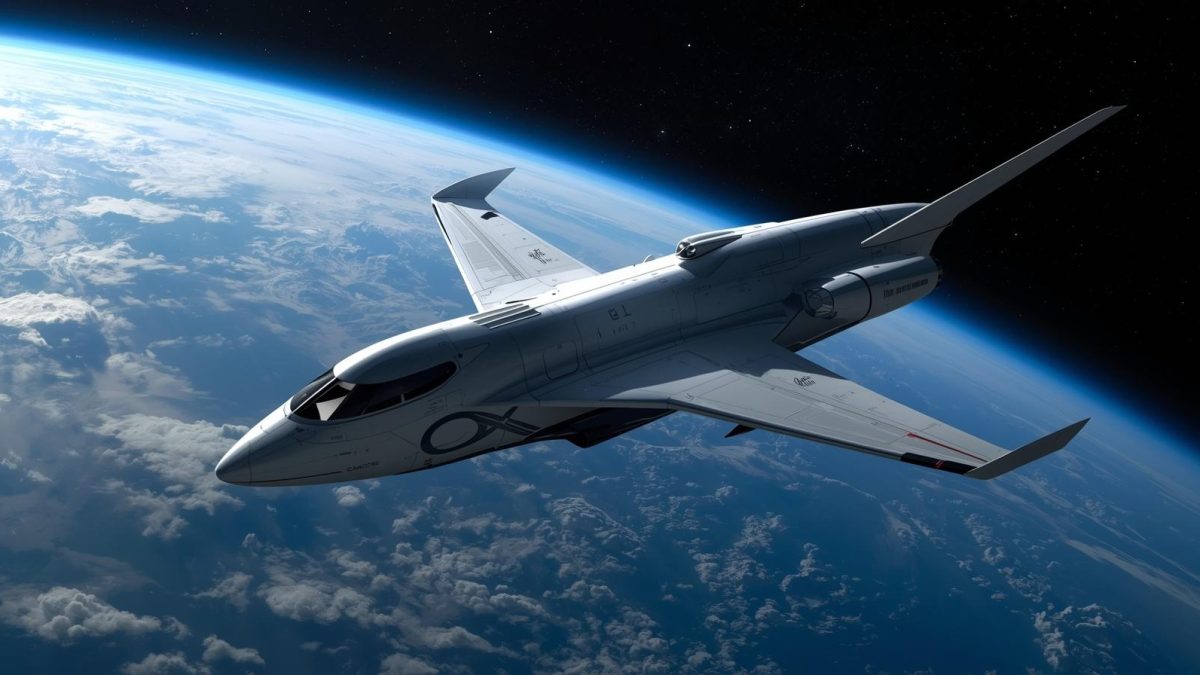
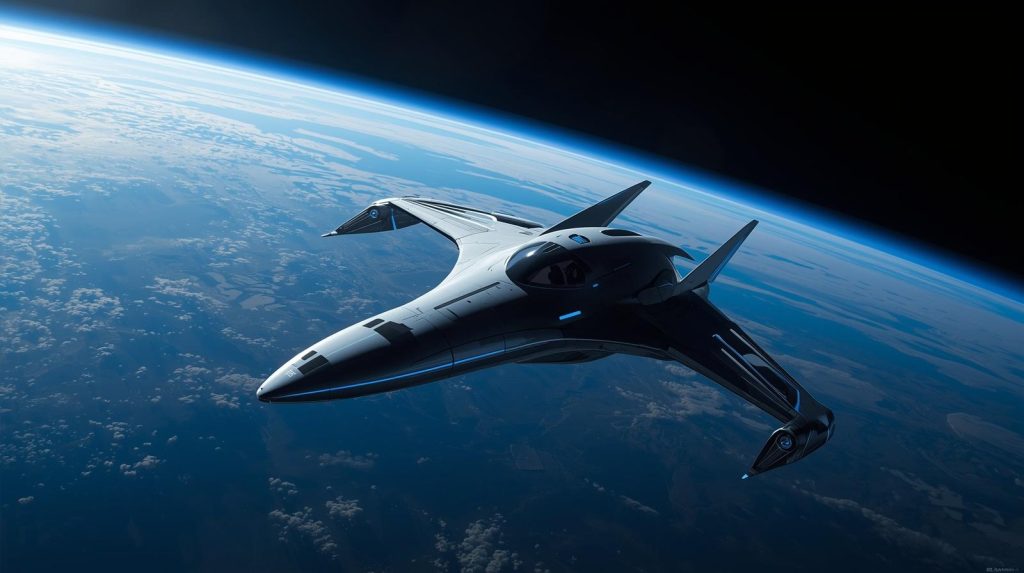
At three-quarters of a million dollars, you get 90 minutes. That’s the blunt truth. The experience involves a rocket-powered spaceplane carried to high altitude by a larger aircraft. Once released, the spaceplane ignites its engines and crosses into space, giving you a few minutes of weightlessness and a view of Earth’s curvature before gliding back down.
The price jumped from the previous $600,000, which tells you something important: space is still expensive, and the costs aren’t coming down fast.
The Safety Question Everyone Asks
Let’s address it directly. In 2014, Virgin Galactic’s SpaceShipTwo crashed during a test flight, killing co-pilot Michael Alsbury. The investigation found multiple contributing factors, including inadequate design safeguards and insufficient FAA oversight.
Since then, the company has rebuilt. They’ve developed a comprehensive safety management system and made safety their stated highest priority. They’ve completed successful test flights with their VSS Unity vehicle. But space remains inherently risky—that’s not marketing talk; it’s physics.
The real question isn’t whether it’s perfectly safe (it isn’t), but whether the safety measures are adequate for the risk you’re taking. Only you can answer that for yourself.
The Financial Picture You Should Know About
Here’s something most promotional articles skip: Virgin Galactic’s stock has declined 26% over the past six months, trading at $2.92, well below analyst targets of $3.75. The company has dealt with this by restructuring debt and raising capital, but this has led to significant shareholder dilution risk, with projections showing potential equity dilution of up to 65%.
Why does this matter if you’re just buying a ticket? Because companies with financial stress sometimes cut corners, delay operations, or shut down entirely. Virgin Galactic holds about $188 million in expected revenue from the 675 future astronauts who’ve already booked, which provides some buffer, but the company continues to burn through cash.
The Competition Situation
Blue Origin has paused tourist flights for at least two years, while SpaceX focuses on satellite launches, cargo missions, and government contracts rather than tourism. This means Virgin Galactic is essentially the only active option right now for private space tourism.
That’s good news if you want to go soon. It’s also a reality check: if this were a gold rush, more miners would be showing up.
What Happens Next
The company expects its second SpaceShip to enter service between late Q4 2026 and early Q1 2027. The plan is to scale from monthly flights to twice-weekly operations per ship. That’s the goal. Whether they hit those targets depends on test results that haven’t happened yet.
As of December 31, 2025, the company held reservations from about 675 future astronauts. If you book now, you’re joining a line that’s been forming for years. Some of these people have been waiting since the early 2000s.
The Bottom Line
Virgin Galactic is closer to regular operations than it’s ever been. The company has real spacecraft, paying customers, and an actual timeline. But it’s also financially strained, operationally behind schedule, and operating in an industry where everything is harder and more expensive than it looks.
The 90-minute flight gives you genuine spaceflight: crossing the Kármán line, experiencing weightlessness, seeing the planet from above. Whether that’s worth $750,000 is entirely personal. Some people would mortgage their house for it. Others wouldn’t go for free.
If you’re seriously considering it, watch for news about the Q3 2026 flight tests. Those results will tell you more about safety and timeline reality than any marketing material can. And understand that early adopters in any field—especially one involving rockets—are paying a premium to be test cases for everyone who comes after.
Space is hard. Virgin Galactic has learned that the expensive way. The question is whether they’ve learned enough.
I’ll create a comprehensive FAQ section that answers the real questions people are searching for about Virgin Galactic:
Virgin Galactic: Frequently Asked Questions (2026)
Booking & Cost
How much does a Virgin Galactic ticket cost?
Currently $750,000 per seat. The price increased from $600,000 when they reopened sales in April 2026. Virgin Galactic released 50 new seats in this latest batch.
Can I pay in installments?
The company hasn’t publicly disclosed payment plans. Given the price point and exclusivity, expect to discuss terms directly with their sales team. Most early customers paid deposits years ago.
How many people are ahead of me in line?
About 675 future astronauts have reservations as of December 31, 2025. If you book now, you’re joining a waitlist that’s been building for years. Some customers have been waiting since the early 2000s.
Is my deposit refundable?
Contact Virgin Galactic directly for current refund policies. Historically, they’ve offered refunds during certain periods, but terms vary by booking date and contract.
The Flight Experience
How long does the flight last?
Approximately 90 minutes total. This includes ascent, the spaceflight portion, and descent. You’ll experience only a few minutes of actual weightlessness.
How high do you go?
The flights are suborbital, crossing the Kármán line (100 kilometers or 62 miles above Earth) which is internationally recognized as the boundary of space. You’re not going into orbit—you’re going up and coming back down in an arc.
How many passengers per flight?
The SpaceShipTwo vehicles can carry six passengers plus two pilots. It’s an intimate experience, not a crowded plane.
What does weightlessness feel like?
You’ll float freely in the cabin for several minutes. First-timers often describe it as disorienting initially, then exhilarating. Your body has no up or down reference, and objects float if released.
Can I take photos or video?
Yes, but ask about camera policies before you go. The company has its own documentation setup, and you’ll likely receive professional footage. Personal devices may have restrictions based on safety considerations.
Health & Safety Requirements
What are the health requirements?
Virgin Galactic requires medical clearance. Expect cardiovascular evaluation, fitness assessment, and possibly disqualifying conditions like certain heart issues, uncontrolled blood pressure, or pregnancy. The experience involves significant G-forces during ascent and re-entry.
How fit do I need to be?
You don’t need astronaut-level fitness, but you should be in reasonably good health. The forces during flight—up to 3.5 Gs—put stress on your cardiovascular system. If you can’t climb several flights of stairs without difficulty, this might not be for you.
What training is required?
Expect several days of preparation covering safety procedures, what to expect during each flight phase, emergency protocols, and how to move in zero gravity. Some training happens in simulators.
Is it actually safe?
Virgin Galactic’s SpaceShipTwo crashed in 2014, killing co-pilot Michael Alsbury. Since then, they’ve completed multiple successful test flights and implemented a comprehensive Safety Management System. But space travel carries inherent risks—no honest answer can claim it’s as safe as commercial air travel.
What’s the age range?
The company hasn’t set strict age limits, but you need to pass the medical clearance. Both older and younger passengers have flown on test missions, but individual health matters more than age.
Timeline & Logistics
When will my flight actually happen?
Commercial flights are expected to begin in late 2026 or early 2027. Flight testing is scheduled for Q3 2026. But understand Virgin Galactic’s history: they’ve been saying “soon” for two decades. The current timeline seems more realistic, but delays happen.
Where do flights take place?
Spaceport America in New Mexico. It’s in the desert near Truth or Consequences, New Mexico—about 180 miles south of Albuquerque.
How much time should I plan for the trip?
Allow at least 3-5 days. This includes training, weather delays, and the flight itself. Space operations don’t run on airline schedules—if weather isn’t perfect or systems need checks, flights get delayed.
Can family or friends watch?
Yes, Virgin Galactic has viewing areas for guests at Spaceport America. Your support crew can watch takeoff and landing.
Technical Details
How does the spacecraft work?
A rocket-powered spaceplane is carried to high altitude by a larger aircraft before igniting its engines and traveling beyond Earth’s atmosphere. Unlike traditional rockets that launch vertically from the ground, Virgin Galactic’s system starts in the air. The mothership (WhiteKnightTwo) carries the spaceplane (SpaceShipTwo) to about 50,000 feet, releases it, then the spaceplane fires its rocket motor to reach space.
What fuel does it use?
The hybrid rocket motor uses a solid fuel with liquid nitrous oxide oxidizer. The engines on their mothership and future fleet are compatible with sustainable aviation fuel (SAF).
How many flights can each spacecraft make?
Each Delta spaceship is expected to have a vehicle lifecycle of 500 or more flights. The reusability is a key part of their business model—traditional single-use rockets can’t scale for tourism.
What happens if something goes wrong?
The spacecraft has abort capabilities at various flight stages. The feathering system (pivoting tail booms) allows controlled descent even without power. But this isn’t an airliner with decades of safety data—it’s experimental aerospace technology.
Company & Competition
Is Virgin Galactic financially stable?
The company’s stock has declined 26% over the past six months, and they’ve undergone debt restructuring. They reduced operating expenses from $384 million to $287 million and raised capital, but they’re still burning cash. They have customer deposits providing some revenue buffer, but this isn’t a financially bulletproof company.
What about Blue Origin or SpaceX?
Blue Origin has paused tourist flights for at least two years, while SpaceX focuses on satellite launches, cargo missions, and government contracts. Right now, Virgin Galactic is your only active option for suborbital tourism.
How is this different from orbital flights?
You’re not going into orbit. Orbital flights (like those SpaceX plans for tourists) circle Earth at 17,500 mph and can last days. Virgin Galactic’s suborbital flights go straight up and straight down—you cross into space but don’t orbit the planet. It’s like the difference between jumping really high and actually running around a track.
Who owns Virgin Galactic?
It’s a publicly traded company (NYSE: SPCE), though Richard Branson’s Virgin Group maintains significant influence. Branson founded it but isn’t the majority shareholder.
The Honest Questions
Is it worth $750,000?
That’s genuinely personal. Some people see it as the experience of a lifetime, a perspective shift they can’t get any other way. Others see it as $750,000 they could spend on hundreds of other experiences or investments. Consider what money means to you and what experiences you value.
Will prices come down?
Eventually, probably—but not soon. Prices actually went up from $600,000 to $750,000. As operations scale and technology improves, economics might improve, but we’re talking decades, not years.
Could Virgin Galactic go out of business before my flight?
It’s possible. The company faces financial pressures, operational challenges, and a history of delays. They’re closer to success than ever before, but space companies have folded before. There’s no guarantee.
What’s the environmental impact?
Each flight burns rocket fuel and jet fuel. Virgin Galactic’s system is more efficient than traditional rockets because the mothership carries the spaceplane through the thickest atmosphere, and they glide back without using fuel for descent. But “more efficient than a rocket” doesn’t mean environmentally neutral. This is a luxury experience with a carbon footprint to match.
Can I back out after booking?
Check your specific contract terms. Life changes, health changes, and financial situations change. Understand the cancellation policy before you commit.
What Nobody Tells You
You might wait years after booking. The queue is long, test schedules slip, and spacecraft need maintenance.
The G-forces are real. You’ll feel up to 3.5 times your body weight during acceleration. It’s physically demanding.
It’s weather-dependent. Desert winds, cloud cover, or upper atmospheric conditions can delay flights for days.
You’re an early adopter. This technology isn’t mature. You’re helping prove the concept for everyone who comes after you.
The view from space changes people. Many astronauts describe the “Overview Effect”—a cognitive shift from seeing Earth as a whole. Some passengers report profound experiences. Others just enjoy the ride. Manage expectations either way.
Conclusion: The Reality Behind the Dream
Virgin Galactic in 2026 sits in an unusual place—closer to delivering routine space tourism than ever before, yet still carrying the weight of its long delays, financial pressure, and the inherent risks of human spaceflight. This isn’t a polished, mass-market experience; it’s a frontier product.
If you buy a ticket, you’re not just purchasing a 90-minute رحلة—you’re buying into an evolving experiment. The promise is real: crossing the Kármán line, floating in microgravity, and seeing Earth in a way only a few hundred humans ever have. But the uncertainties are just as real: timelines may slip, risks remain non-zero, and the company itself is still working toward financial and operational stability.
For some, that combination—exclusivity, risk, and historic significance—is exactly the appeal. For others, it’s a reason to wait until the industry matures and prices (eventually) come down.
The clearest takeaway is this: space tourism has arrived, but it hasn’t settled. Richard Branson and his company have pushed it out of science fiction and into reality—but not yet into routine reliability.
So the decision isn’t just “Can you afford it?”
It’s “Do you want to be among the first—or among the many who follow later?”
Ready to Experience Space for Yourself?
Discover how Virgin Galactic is turning space tourism into reality. Learn more about their mission, explore ticket opportunities, and take the first step toward becoming a future astronaut.
Space tourism is no longer science fiction—it’s becoming a real commercial experience. :contentReference[oaicite:1]{index=1}

jafir
Jafir Abbas is the visionary founder and owner of Astronive.com, a leading online hub for astronomy enthusiasts, space exploration insights, and cosmic discoveries. With a passion for the mysteries of the universe, Jafir has dedicated his work to making complex astronomical concepts accessible and engaging for readers of all ages. Under his guidance, Astronive.com has become a trusted resource for space news, celestial events, and educational content that inspires curiosity about the cosmos. Jafir combines a keen interest in science with a commitment to clear, engaging communication, bringing the wonders of the universe closer to everyone.
View all posts