
Moon Phase Today: What It Is, Why It Matters, and How to Track It
The moon phase today tells you exactly where the moon stands in its 29.5-day cycle. Whether you see a thin crescent or a glowing full moon, each phase has a meaning. People check the moon phase today for farming, gardening, fishing, spiritual practices, and even sleep tracking. The moon affects more than just tides. It shapes energy, mood, and natural rhythms. If you want to understand the night sky, start with today’s lunar phase.
What Is a Moon Phase?
A moon phase is a stage in the lunar cycle. The moon does not produce its own light. It reflects sunlight. As the moon orbits Earth, the angle between the sun, Earth, and the moon changes. That change creates what we call moon phases.
The complete cycle takes about 29.5 days. This is called a synodic month. During this time, the moon moves through eight distinct phases. Each phase looks different from Earth.
The Eight Moon Phases in Order
The moon follows a fixed sequence every month. Here are the eight phases in order:
New Moon — The moon is between Earth and the sun. We see no lit side. The sky looks dark.
Waxing Crescent — A small sliver of light appears on the right side. The moon is growing.
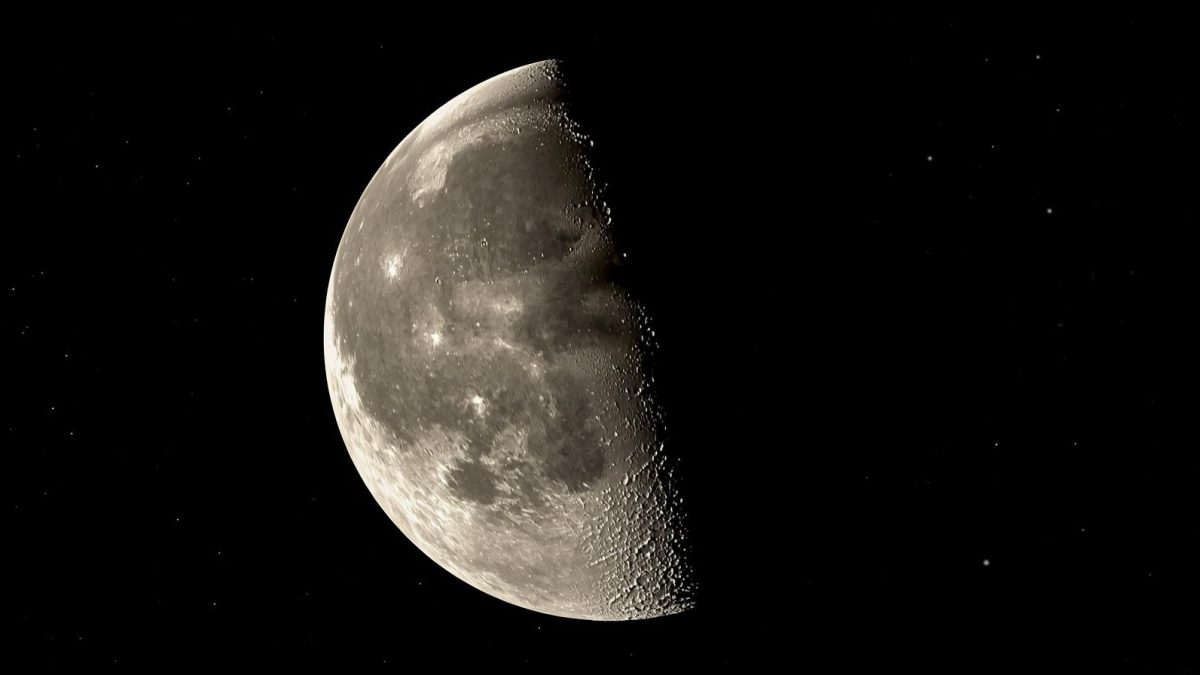
First Quarter — Half the moon is lit. This happens about seven days after the new moon.
Waxing Gibbous—More than half the moon glows. It continues to grow toward fullness.
Full Moon — The entire face of the moon is lit. This is the brightest phase of the month.
Waning Gibbous — The moon begins to shrink after reaching its peak. It moves away from full.
Last Quarter—Half the moon is lit again, but now on the left side. It continues to fade.
Waning Crescent — A thin crescent remains on the left. The moon is nearly gone again.
After the waning crescent, the cycle resets with a new moon.
What Is the Moon Phase Today?
The moon phase today depends on your date and location. The lunar cycle is universal, but the exact degree and appearance can vary slightly based on your hemisphere.
In the Northern Hemisphere, the right side of the moon lights up during waxing phases. In the Southern Hemisphere, it is reversed. The left side lights up during waxing phases. This is a key difference many people overlook.
You can find the moon phase today using a lunar calendar, a moon phase app, or an astronomy website. Most tools show the current phase, the percentage of illumination, the moonrise and moonset times, and the days until the next full moon or new moon.
Why People Check the Moon Phase Today
Millions of people check the moon phase every day. The reasons range from science to spirituality.
Gardening and Farming by the Moon
Biodynamic farmers use the moon to guide their work. This practice is centuries old. The idea is simple. The moon pulls on water inside plants, just like it pulls on ocean tides.
During a waxing moon, sap moves upward in plants. This is a good time to plant crops that grow above the ground. Lettuce, tomatoes, and herbs do well when planted during this phase.
During a waning moon, energy moves downward toward the roots. This is the right time to plant root vegetables like carrots, potatoes, and beets.
The full moon is said to carry the strongest energy. Many gardeners avoid planting on the day of the full moon itself. They prefer the days just before or after.
The new moon is a time of rest and planning. Soil is prepared but seeds are not planted yet.
Fishing and the Lunar Calendar
Fishermen have used the moon for centuries. Fish are more active during certain moon phases. The reason is simple. The moon affects water pressure and light levels. Both influence fish behavior.
The best fishing usually happens around the full moon and new moon. During these phases, tidal pressure is highest. Fish feed more actively near the surface.
The solunar theory adds more detail. It identifies peak feeding times called major and minor solunar periods. These periods happen when the moon is directly overhead or underfoot.
Many fishing apps include solunar data today. Serious anglers plan their trips around these tables.
Spiritual and Ritual Practices
Many spiritual traditions follow the moon closely. The full moon is seen as a time of completion, celebration, and release. The new moon is for setting intentions and starting fresh.
Crystal practitioners place their stones under the full moon to cleanse and recharge them. Meditation practitioners often go deeper during new moons. Manifesting rituals are tied to the lunar cycle in many cultures.
Moon water is another popular practice. People leave a jar of water outside under the full moon overnight. They use this water for rituals, cooking, or skincare.
These practices connect people to natural rhythms. Whether you follow them spiritually or simply as a way to mark time, the moon offers a consistent calendar.
Sleep and the Moon
Research shows that sleep patterns change slightly with the moon. A 2021 study found that people fall asleep later and sleep less around the full moon. The effect is subtle but measurable.
Scientists are not fully certain why this happens. It may be linked to ancestral behavior. Before artificial lights, humans were more active during full moon nights because of the natural brightness. That pattern may still be wired into our biology.
If you wake up more easily around the full moon, you are not alone.
How to Find Today’s Moon Phase Instantly
You do not need a telescope or special equipment. Several methods help you find the current moon phase in seconds.
Moon Phase Apps
Dozens of free apps give you detailed lunar data. Popular choices include The Moon, Luna Solaria, and Moon Phase Calendar. These apps show the current phase, upcoming full and new moons, eclipse dates, and moonrise times.
Many of them also include location-based data. They adjust the moonrise and moonset times to your city.
Voice Assistants
You can ask your voice assistant right now. Say “What is the moon phase today?” to Siri, Alexa, or Google. All three give an instant answer. This is one of the fastest ways to check.
Online Lunar Calendars
Astronomy websites like TimeandDate.com, NASA Moon Phase Calendars, and Moongiant.com give detailed lunar information. They show the current phase with a visual diagram. You can also look up any past or future date.
Stargazing Apps
Apps like SkySafari, Stellarium, and Star Walk include moon data. They show where the moon is in the sky right now and what phase it is in. These tools work well for those interested in astronomy beyond just the phase.
Moon Phase and Astrology
In astrology, the moon represents emotions, intuition, and inner life. Each moon phase carries an astrological meaning. The zodiac sign the moon is currently in also matters.
The new moon in a fire sign feels energetic and bold. The full moon in a water sign feels emotional and intense. Many astrologers publish monthly moon guides to help people navigate these energies.
If you follow astrology, the moon phase today connects directly to your emotional forecast. Many people read their daily horoscope alongside the current moon phase for a fuller picture.
Moon Phase and Astrophotography
Photographers track the moon phase closely. A full moon lights up the landscape and allows for long-exposure night photography without a flash. A new moon creates the darkest skies, perfect for photographing the Milky Way.
The days just after a new moon offer the waxing crescent low in the western sky at sunset. This makes for beautiful silhouette photos. The golden hour combined with a crescent moon is one of the most popular landscape shots.
Knowing the moon phase today helps photographers plan their shoots in advance.
Moon Phase Influence on Human Body and Health
Some research explores the connection between the moon and human health. While findings are mixed, certain patterns appear consistently.
Surgeons have historically avoided operating during full moon nights. Some hospitals report more emergency room visits and more erratic patient behavior around the full moon. Science has not fully confirmed these claims, but the observations persist across many cultures and time zones.
Menstrual cycles often align closely with the lunar cycle. Both average around 29.5 days. This alignment has fascinated scientists and spiritual practitioners alike. Some women use the lunar calendar to track their cycle.
Blood pressure, sleep quality, and immune response have all been studied in relation to the moon. The results are inconsistent, but the interest continues to grow as more researchers take lunar biology seriously.
Today’s Moon Phase and the Tides
Tides and the moon are directly connected. This is not folklore. It is physics. The moon’s gravity pulls on the oceans, causing the water to bulge slightly toward the moon.
During the full moon and new moon, the sun and moon align. Their combined gravitational pull creates spring tides. These are the highest and lowest tides of the month. Coastal flooding risk increases during these periods.
During the first-quarter and last-quarter moons, the sun and moon form a right angle. This reduces the tidal pull and creates neap tides. These are more moderate in height.
Knowing the moon phase today is important for coastal residents, sailors, surfers, and anyone working near water.
Moon Phase Calendar for the Year
A full-year lunar calendar shows all new moons, full moons, quarters, and special lunar events like supermoons and lunar eclipses.
A supermoon happens when the full moon coincides with the moon’s closest point to Earth, called the perigee. The moon looks up to 14 percent larger and 30 percent brighter than a typical full moon.
A lunar eclipse happens when Earth passes between the sun and the moon. Earth’s shadow falls across the full moon, turning it a deep red color. This is called a blood moon.
Keeping a lunar calendar helps you plan events, rituals, garden work, trips, and photography sessions well in advance.
Frequently Asked Questions
What moon phase is today? The current moon phase changes daily. You can check it instantly using a moon phase app, a voice assistant, or websites like TimeandDate.com. The phase depends on the current date in the lunar cycle, which resets every 29.5 days.
How does the moon phase affect humans? The moon phase affects sleep, mood, and emotional energy according to both research and traditional knowledge. Around the full moon, some people sleep less and feel more alert or restless. Emotional intensity tends to rise during full and new moons.
What is the best moon phase for planting? The best moon phase for planting above-ground crops is during the waxing crescent to first-quarter phase. Root vegetables are best planted during the waning gibbous to last-quarter phase. Avoid planting on the day of the full moon or new moon.
How often does a full moon happen? A full moon happens approximately once every 29.5 days. In most calendar months, there is one full moon. When two full moons fall within the same calendar month, the second one is called a Blue Moon.
What does a waning moon mean? A waning moon means the illuminated portion of the moon is decreasing. It follows the full moon and moves toward the next new moon. Waning phases are traditionally linked to release, letting go, and reflection.
Can the moon phase affect fishing? Yes. Fish are more active during full and new moon phases due to stronger tidal pressure. The solunar theory identifies specific major and minor feeding periods tied to the moon’s position, which many anglers use to plan their fishing trips.
What is a supermoon? A supermoon is a full moon that occurs when the moon is at or near its closest point to Earth. The moon appears larger and brighter than usual. Supermoons generate stronger tidal effects and are popular events for skywatchers and photographers.
How do I check the moon phase for a specific date in the past or future? Use an online lunar calendar or astronomy site. TimeandDate.com and NASA’s moon phase tools allow you to enter any date and see the exact lunar phase for that day, including the percentage of illumination and phase name.

Conclusion: The Moon Phase Today Is More Than Just a Sky View
The moon phase today connects you to something much larger than a nightly observation. It links you to the tides, the earth, your biology, and thousands of years of human tradition. Whether you use it to plan your garden, improve your sleep, guide a fishing trip, capture a photograph, or set personal intentions, the lunar cycle offers a reliable natural rhythm that never stops.
You do not need to be a scientist or an astrologer to benefit from knowing the moon phase. You just need to look up and pay attention. The moon runs on a 29.5-day schedule without fail. It shows up every night with information if you know how to read it.
Start today. Check the current moon phase. Notice how it aligns with your energy, your environment, and your plans. The more you observe, the more the pattern reveals itself. The moon has guided humans for thousands of years. It can guide you too.
Resources & Links:

jafir
Jafir Abbas is the visionary founder and owner of Astronive.com, a leading online hub for astronomy enthusiasts, space exploration insights, and cosmic discoveries. With a passion for the mysteries of the universe, Jafir has dedicated his work to making complex astronomical concepts accessible and engaging for readers of all ages. Under his guidance, Astronive.com has become a trusted resource for space news, celestial events, and educational content that inspires curiosity about the cosmos. Jafir combines a keen interest in science with a commitment to clear, engaging communication, bringing the wonders of the universe closer to everyone.
View all posts

