What Is the Surface of Mars Like
Introduction
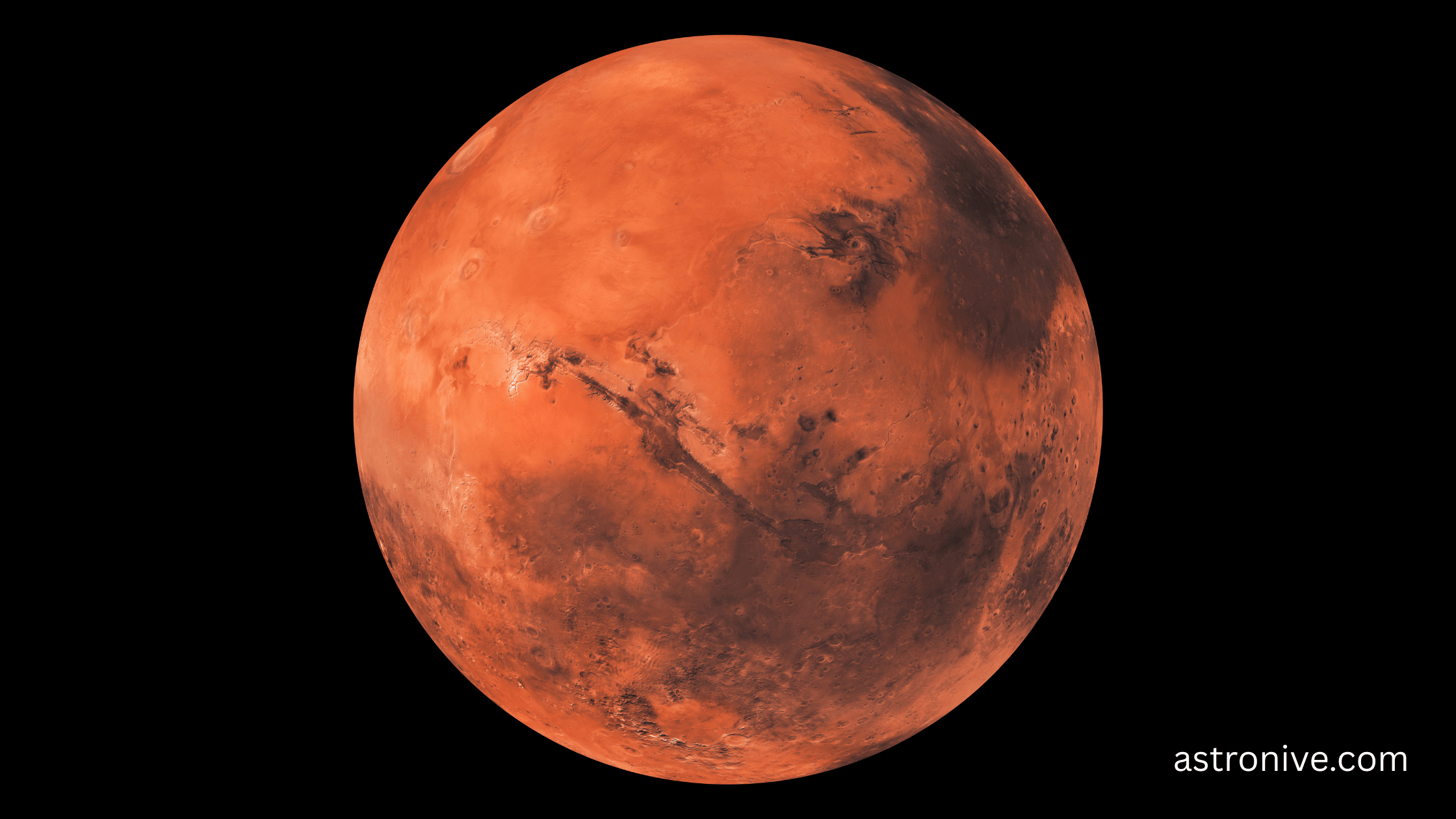
“What is the surface of Mars like” This question always increases human curiosity. The surface of Mars is filled with reddish soil, rocky plains, and volcanic mountains. NASA rovers have shown that the land there is hard, dry and covered with dust.
On the surface of Mars there are traces of deep craters (craters), wide valleys (valleys) and frozen ice (ice) which give evidence of the presence of water in its past. This information is very important for scientific research, geology and future space missions.

The Physical Appearance of Mars
Color and Composition
The color of the Martian surface is reddish formed by iron oxide (Iron Oxide) or rusty soil. This element gives the entire planet a unique Red Planet look. Dust storms and wind effects make this color more noticeable.
Martian soil includes silica (Silica), magnesium, and other minerals. These compounds show the geological composition and surface texture of Mars. Scientists are trying to understand the formation (formation) of Mars and the environment of the past from these elements.
Rocky Plains and Volcanic Features
Extensive rocky plains (rocky plains) and old lava flows (lava flows) are found on the surface of Mars indicating its volcanic past. These fields are covered with billions of years old rocks and surrounds that show the geological structure of Mars.
The most famous mountain is Olympus Mons (Olympus Mons), which is considered the largest volcano in the entire solar system. This volcanic mountain plays an important role in understanding the volcanic activity of Mars and the internal processes of the past
Geological Features of the Martian Surface
Canyons and Valleys
The great valleys (valleys) and gorges (canyons) on the surface of Mars show that this planet has ever undergone tremendous natural forces. The most famous canyon is the Wells Marie Nares (Valles Marineris), which is many times larger than the Grand Canyon of Earth.
This geological formation suggests signs of Martian internal pressure, erosion and possible water flow. According to scientists, these valleys have proved the flowing water and tectonic activity in the past of Mars, which is helpful in understanding its evolutionary process.
Impact Craters
There are numerous craters (impact craters) on the surface of Mars formed by meteorite collisions. These craters reveal the geological history of Mars and the past atmosphere. Famous craters include Gail Crater (Gale Crater) and Jezero Crater (Jezero Crater) where NASA rovers conducted research.
These sites present evidence of water (water traces) and sediment layers on Mars. Scientists analyze the age (age) and past weather conditions of the Martian surface through these craters to find out if life (life possessibility) ever existed there.
Signs of Water and Ice
Ancient Riverbeds and Lake Basins
The ancient river channels (ancient riverbeds) and lakes cisterns (lake basins) on the surface of Mars are evidence that water once flowed there. These markings show the surface morphology and hydrological history of Mars. Mars orbit missions have discovered clear evidence of water flow in these areas.
These valleys and basins are rich in sediment layers and minerals of stones that confirm the presence of water. Scientists believe that these ancient water systems must have had a profound effect on the weather conditions, climate change history and possible life formation of Mars.
Polar Ice Caps
The polar ice regions (polar ice caps) of Mars are among its most prominent features. The thick layers of ice here consist of water (water ice) and carbon dioxide (CO₂ ice). These layers expand and contract according to the weather, showing the climate cycle of Mars.
Glacial deposits have been found in both North Pole and South Pole of Mars that help to understand the planet’s temperature patterns and past climatic changes. Scientists are studying these ice caps and researching the potential water resources on Mars and the possibilities of future human populations.
The Martian Soil (Regolith)
Chemical Composition
Various mineral elements (minerals) are found in the Martian soil which show its surface chemistry. This includes most of the iron oxide (iron oxide) which gives Mars a reddish tint. Also present are ingredients such as magnesium (magnesium), silica (silica), and calcium (calcium).
NASA’s Curiosity and Perseverance rovers have examined these elements in detail. The results showed that the Martian soil contains perchlorates and saline components that provide important information about the habitability there and past water activity.
Dust and Weathering
There is a layer of fine dust (dust) on the surface of Mars which affects its entire atmosphere. This dust is mostly composed of iron oxide which gives Mars a red color. Continuous dust stars and winds spread around it and cover the entire planet.
Due to the weak atmosphere and lack of moisture, the weathering process there is completely different from the earth. The stones are gradually fractured by temperature changes and radiation. This process provides important information for Mars’ surface evolution and future exploration missions.
Exploring the Surface
Rovers and Orbiters’ Discoveries
Rovers and orbiters have played a prominent role in Mars research. Curiosity, Perseverance and Opportunity rovers conducted a detailed review of the rocks, soil, and minerals on the Martian surface. These missions provided evidence of Mars’ geological history and possible water traces.
Mars Reconnaissance Orbiter (MRO) and other satellites sent high-resolution images of Mars that clearly indicated canyons, volcanoes, and ice caps. These discoveries have opened up new avenues for Mars’ climate patterns, surface evolution, and future human exploration missions.
Case Study: Jezero Crater Exploration
The Jezero Crater of Mars is considered an ideal case study because the area has once been an ancient lake basin. NASA’s Perseverance Rover collected rocks and soil samples that found sediment layers and clay minerals here. This evidence indicates that there was liquid water here in the past.
According to scientists, the organic compounds in these samples can play an important role in the search for possible microbial life on Mars. The mission provided new information on Mars’ geological competition, climate history and habitability potential, forming the basis for future sample return missions.
FAQs – What Is the Surface of Mars Like
Q1: What is the surface of Mars made of?
The surface of Mars is mainly composed of iron oxide (rust), silica, magnesium, and calcium, which give the planet its distinctive reddish color.
Q2: Are there volcanoes on Mars?
Yes, Mars is home to Olympus Mons, the largest volcano in the entire solar system, towering about three times higher than Mount Everest.
Q3: Was there ever water on Mars?
Scientists believe that liquid water once flowed on Mars, as seen in the planet’s ancient riverbeds, valleys, and lake basins.
Q4: How do dust and weather affect Mars’ surface?
Frequent dust storms and thin atmosphere cause weathering on Mars, slowly reshaping rocks and altering the planet’s surface color over time.
Q5: Is there any evidence of life on Mars?
No direct evidence of life has been found yet, but rovers have discovered organic compounds in Martian soil, suggesting conditions that might once have supported life.
Call to Action:
Stay curious and keep exploring the Red Planet! Learn more from NASA’s official resources — Explore More About Mars

Conclusion
Knowing about the surface of Mars helps us understand its geological history and past environment. Its reddish soil (iron oxide soil), rocky plains (rocky plains), and volcanic mountains (volcanic mountains) indicate its changing conditions.
With the help of rovers and orbiters, it was found that there was once a liquid water on Mars, which could be proof of life possessibility. The study of the surface composition and dust states of Mars is very important for future exploration missions.

jafir
Jafir Abbas is the visionary founder and owner of Astronive.com, a leading online hub for astronomy enthusiasts, space exploration insights, and cosmic discoveries. With a passion for the mysteries of the universe, Jafir has dedicated his work to making complex astronomical concepts accessible and engaging for readers of all ages. Under his guidance, Astronive.com has become a trusted resource for space news, celestial events, and educational content that inspires curiosity about the cosmos. Jafir combines a keen interest in science with a commitment to clear, engaging communication, bringing the wonders of the universe closer to everyone.
View all posts