Cocoon Nebula: A Stellar Nursery in Deep Space
Introduction
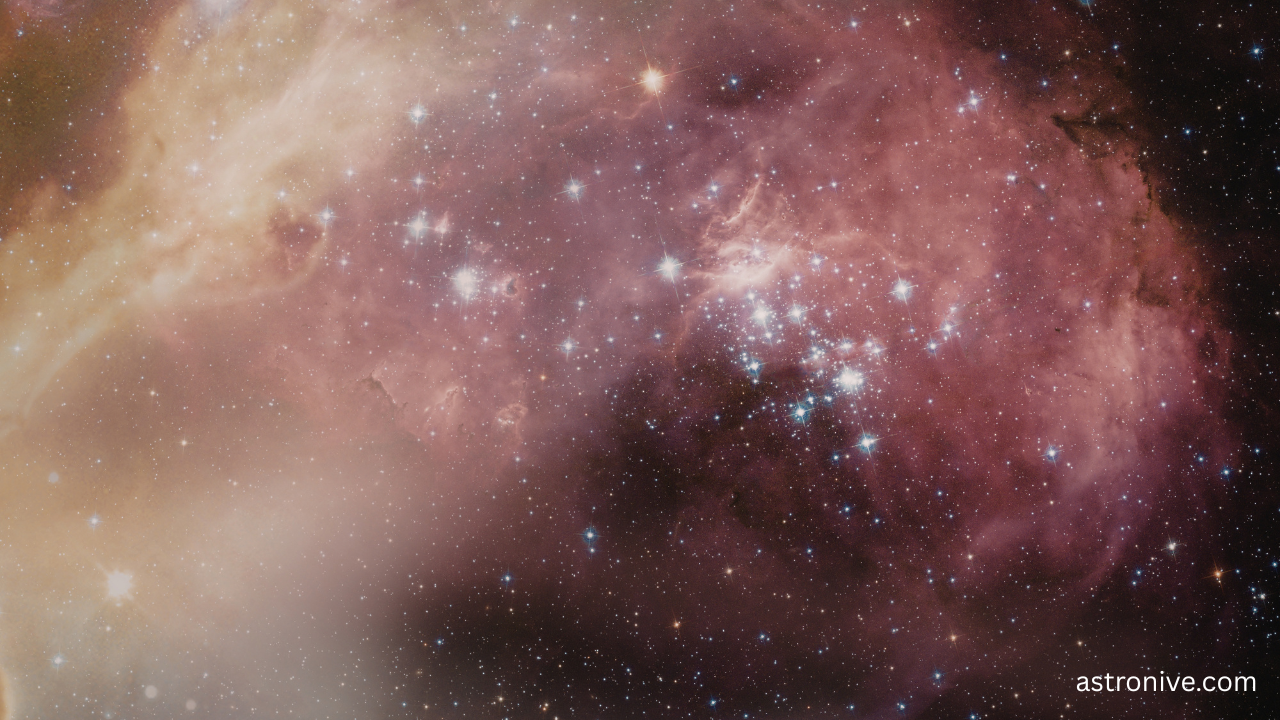
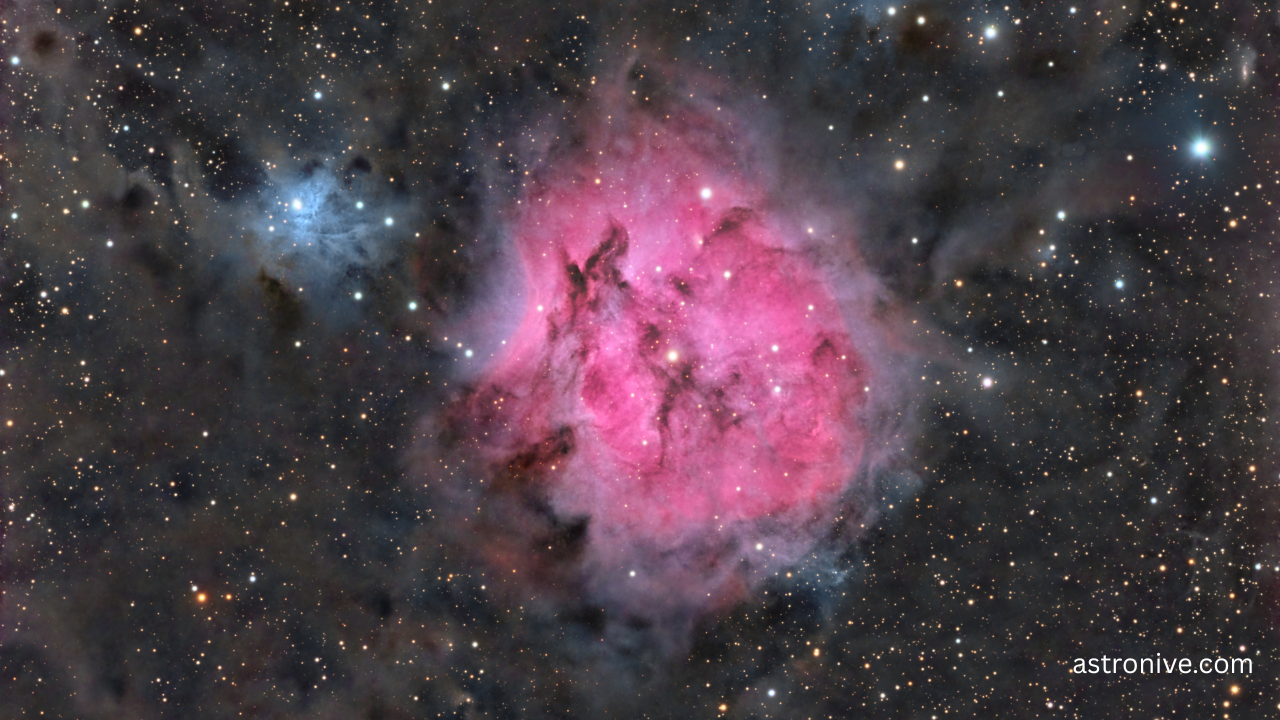
The Cocoon Nebula (IC 5146) is an emission nebula located 4,000 light-years away in the constellation Cygnus. This cosmic cloud serves as a stellar nursery where new stars are born from collapsing gas and dust. Astronomers study this region to understand star formation processes, stellar evolution, and the life cycle of interstellar matter. The nebula earned its name from its cocoon-like appearance, with a bright central star wrapped in glowing hydrogen gas.

What Makes the Cocoon Nebula Special?
Location and Structure
The Cocoon Nebula sits within a dark molecular cloud in the Cygnus constellation. The nebula spans approximately 15 light-years across. Its reddish glow comes from ionized hydrogen gas energized by hot young stars. A dark dust lane called Barnard 168 runs adjacent to the nebula, creating a striking contrast against the bright emission region.
Star Formation Activity
At the heart of IC 5146 lies a massive young star cluster. These newborn stars are less than one million years old—extremely young in cosmic terms. The intense ultraviolet radiation from these hot stars excites the surrounding hydrogen atoms, causing them to emit the characteristic red light we observe. This process is called photoionization and occurs in many stellar nurseries across our galaxy.
Visual Characteristics
Astrophotographers love capturing the Cocoon Nebula because of its vibrant colors and intricate details. The combination of emission nebula, reflection nebula components, and dark nebulosity creates a visually stunning celestial object. Long-exposure images reveal delicate filaments of gas and patches of dense dust where future stars may form.
Case Study: Spitzer Space Telescope Observations
In 2009, NASA’s Spitzer Space Telescope conducted infrared observations of the Cocoon Nebula. This study revolutionized our understanding of star formation in this region.
Research Findings
The infrared data revealed dozens of young stellar objects hidden within the dust clouds. These protostars were invisible in optical wavelengths but glowed brightly in infrared light. Researchers identified approximately 40 young stars embedded in the molecular cloud, many still gathering material from their surroundings.
The study measured the temperatures and sizes of circumstellar disks around these young stars. These disks contain the raw materials for planet formation. Scientists found that many disks showed signs of clearing—an indication that planets might already be forming within them.
Scientific Impact
This research demonstrated how infrared astronomy helps us see through cosmic dust. The findings improved models of stellar birth and early stellar evolution. Astronomers now use similar infrared techniques to study other star-forming regions throughout the Milky Way galaxy.
The Spitzer observations also revealed the complex structure of the molecular cloud. Dense clumps of gas showed where the next generation of stars will emerge. This case study proved that star formation is an ongoing, multi-generational process in regions like IC 5146.
How to Observe the Cocoon Nebula
Amateur Astronomy Tips
You can spot the Cocoon Nebula with moderate equipment from dark sky locations. A telescope with at least 6-8 inches aperture works best. Look for it near the bright star Deneb in the summer sky. The nebula appears as a faint, elongated glow surrounding a 10th magnitude star.
Photography Techniques
Astrophotographers achieve stunning results using narrowband filters. Hydrogen-alpha filters capture the red emission particularly well. Stack multiple exposures to bring out faint details. Modern CMOS cameras excel at capturing this deep-sky object.
The Science Behind Stellar Nurseries
Gravitational Collapse
Star formation begins when dense regions in molecular clouds collapse under their own gravity. As the cloud contracts, it heats up and eventually forms a protostar. This process takes millions of years. The Cocoon Nebula shows us various stages of this stellar birth process.
Stellar Winds and Feedback
Young stars produce powerful stellar winds that push against surrounding gas. This feedback can either trigger or suppress further star formation. In the Cocoon Nebula, we see both effects. Some regions show active star birth while others appear disrupted by energetic young stars.
Frequently Asked Questions
Q: How far is the Cocoon Nebula from Earth? A: The Cocoon Nebula is approximately 4,000 light-years away from Earth in the constellation Cygnus.
Q: Can I see the Cocoon Nebula with binoculars? A: Binoculars may show a faint glow under very dark skies, but a telescope provides much better views of this emission nebula.
Q: What causes the red color in the Cocoon Nebula? A: The red color comes from ionized hydrogen gas. Hot young stars energize hydrogen atoms, causing them to emit red light at 656 nanometers wavelength.
Q: Is the Cocoon Nebula related to the Cocoon Constellation? A: No, the Cocoon Nebula is located in the Cygnus constellation. Its name comes from its cocoon-like appearance, not from any constellation name.
Q: How old are the stars in the Cocoon Nebula? A: The young stars in IC 5146 are less than one million years old, making them extremely young compared to our 4.6 billion-year-old Sun.
Conclusion
The Cocoon Nebula stands as a beautiful example of stellar birth in action. This emission nebula teaches us about star formation, planetary system development, and the recycling of cosmic material. The infrared observations by Spitzer Space Telescope revealed hidden protostars and circumstellar disks, advancing our knowledge of how stars and planets form.
Whether you’re an amateur astronomer pointing your telescope toward Cygnus or a professional researcher studying stellar evolution, IC 5146 offers endless fascination. This cosmic nursery reminds us that star formation continues throughout our galaxy, creating the building blocks for future planetary systems and potentially new worlds.
Ready to explore more cosmic wonders? Visit NASA’s astronomy picture archive to discover stunning images of nebulae, galaxies, and other celestial objects captured by professional observatories worldwide.

jafir
Jafir Abbas is the visionary founder and owner of Astronive.com, a leading online hub for astronomy enthusiasts, space exploration insights, and cosmic discoveries. With a passion for the mysteries of the universe, Jafir has dedicated his work to making complex astronomical concepts accessible and engaging for readers of all ages. Under his guidance, Astronive.com has become a trusted resource for space news, celestial events, and educational content that inspires curiosity about the cosmos. Jafir combines a keen interest in science with a commitment to clear, engaging communication, bringing the wonders of the universe closer to everyone.
View all posts